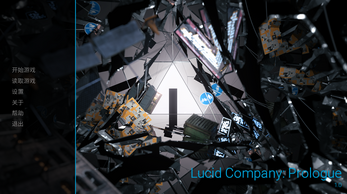
Lucid Company drops players into a near-future world where wearable tech and sensory rendering have shifted the boundary between real life and simulation. In this narrative-driven experience you assume the role of a chosen test subject for a cutting-edge adaptive virtual reality product developed by the titular corporation. The cast of characters and the staged experiments set the stage for a slow-burn mystery: what begins as product testing turns into a tangled conspiracy that pulls you deeper into the company's secrets. Expect a story-first game that emphasizes atmosphere, discovery, and ethical questions about technology.
Gameplay and Core Experience
Gameplay centers on your role as a participant in staged VR trials administered by Lucid Company. Sessions evolve from simple demonstrations into layered simulations that reveal inconsistencies and hidden information. Interaction is focused on exploration and investigation—examining environments, triggering recorded events, and following narrative threads that emerge during testing. The structure encourages careful observation; as the tests progress the stakes rise and the narrative shifts from curiosity to suspicion.
Key Features
Adaptive virtual reality is the story's engine: the product you test responds to sensory input and alters simulations, creating shifting scenarios that blur the line between experiment and reality. That adaptability drives tension and keeps each test feeling distinct.
The corporate conspiracy at the heart of the game provides the dramatic thrust. Clues uncovered during trials peel back layers of PR and patents to reveal ethical dilemmas and hidden agendas, transforming the company from authority figure to suspect.
The setting leans heavily on advanced wearable devices and patented sensory rendering technologies, giving the narrative a plausible technological backbone. Those details ground the fiction in a credible near-future, letting the world-building support the mystery rather than overshadow it.
Player discovery is emphasized over action: progression comes from piecing together evidence and making sense of experimental outcomes. That pacing favors players who enjoy slow reveals and narrative puzzles rather than fast-paced combat.
Visual Style and Atmosphere
The visual presentation contrasts polished corporate spaces with the uncanny textures of simulated environments. Clinical testing rooms, slick product demos, and glitching virtual realms create a shifting mood—sometimes sterile and controlled, sometimes eerie and disorienting. Sound design and subtle sensory cues play a supporting role, reinforcing the idea that perception itself is part of the story.
Conclusion
Lucid Company will appeal to players who prefer story-rich, investigative experiences set against a believable technological backdrop. If you like games that ask questions about how devices shape our perception and enjoy unraveling conspiracies at a deliberate pace, this title offers a focused, atmospheric journey into the ethics of immersion.